
Do you know, Google’s search result pages now deliver almost the same number of image results as they do for text-based listings? In the “Images” tab, notice how Google presents clickable images even before the traditional organic web results.
Despite your best SEO efforts, you could at present be passing up another major source of organic traffic: your website’s images. How would you get in on this traffic source?
Today, the topics that businesses and publishers create content on need pictures to go with their words. For example, if you talk about editing photographs, “edited” instances of your insight are critical to the readers’ experience and appreciation. Most of the time, Google searchers don’t want the classic blue, hyperlinked search result — they want the image itself, possibly embedded on your website.
A significant improvement your image alt text can accomplish is transform your pictures into hyperlinked search results – giving your site one more powerful way to get organic visitors.
💡 Key Insight: Image alt text bridges the gap between human visual perception and algorithmic search engine crawling, turning visual assets into discoverable entry points.
What Is Alt Text?
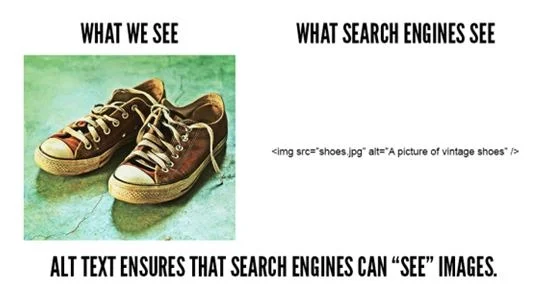
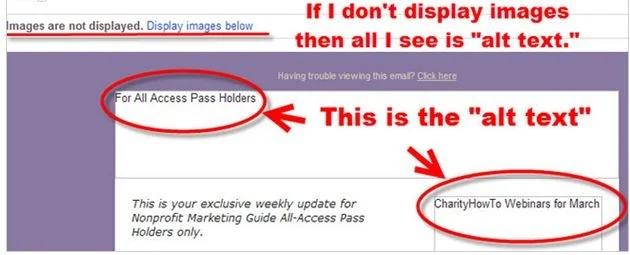
Also known as “alt tags” and “alt descriptions,” alt text is the written copy that appears in place of an image on a webpage if the image fails to load on a user’s screen. This text helps screen-reading tools describe images to visually impaired readers and allows search engines to better crawl and rank your website.
Regardless of whether you perform search engine optimization or not, advancing your site’s picture alt text is your ticket to making a superior client experience for your visitors, regardless of how they initially discovered you.
How to Choose Suitable Alt Text?
Be descriptive and explicit. Remember, that this alt text can lose its value if the image’s context has not been considered.
5 Essential Alt Text Best Practices
Image alt text needs to be specific yet illustrative of the context of the page it’s supporting. Here are essential points to consider while writing compelling image alt text with SEO in mind:
<img> tag.
So, Where Do You Start?
Consider performing a basic audit of your existing catalog or blog content to see where you can incorporate alt text into previously untagged pictures. Observe how your organic traffic and Google Images impressions change among the pages that you give new alt tags.
The more pictures you optimize with accurate alt text, the further your search engine optimization strategy will leap forward.