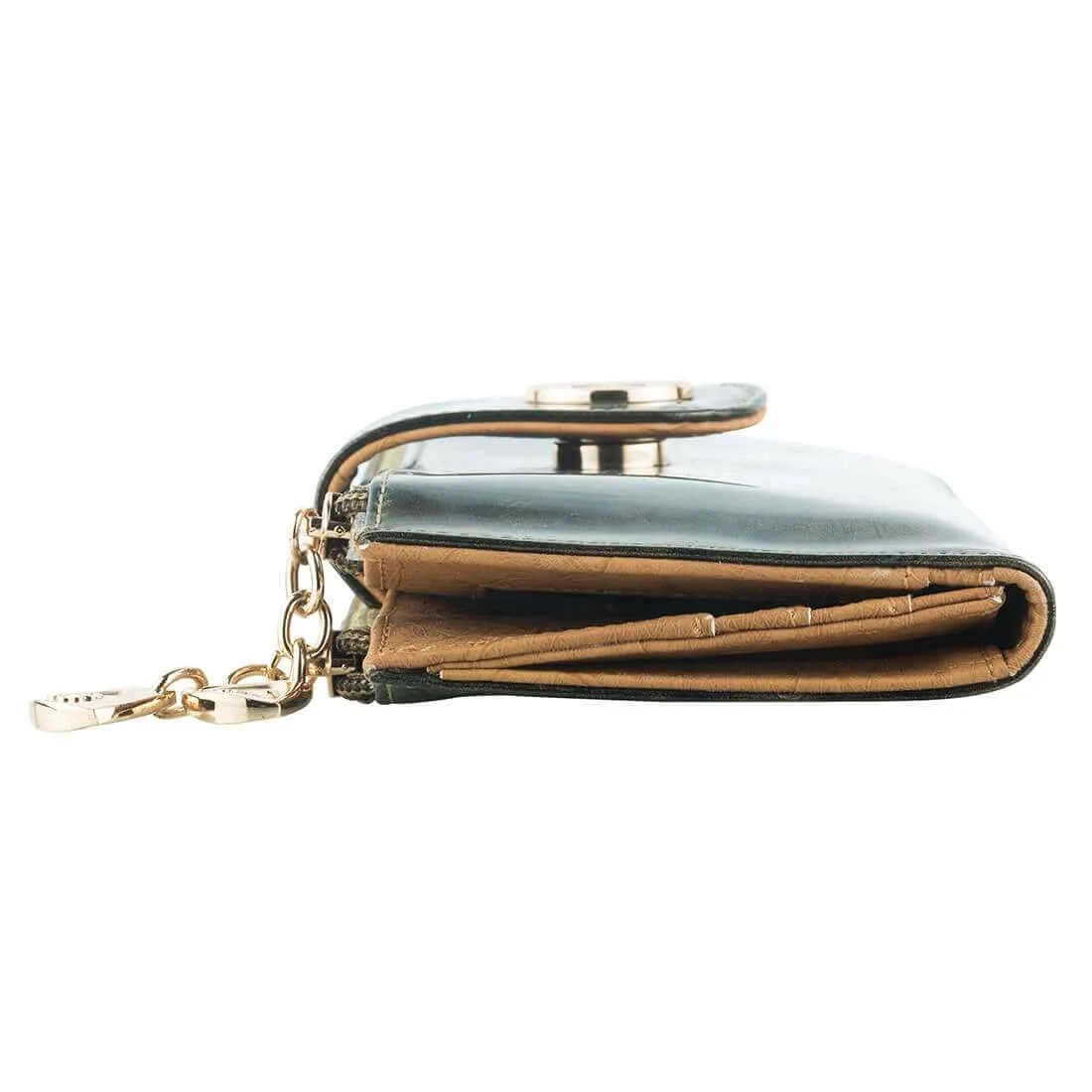
If there’s one thing that’s true when it comes to e-commerce, it’s that the perceived value of your products and the trustworthiness of your business is often judged by the visual quality of your website.
Having a great looking website means having high-quality, beautiful product photographs with, when possible, clean neutral backgrounds! Great visuals eliminate customer hesitation, reduce returns, and drive higher basket sizes across Amazon, Shopify, and bespoke webstores.
📸 Golden Rule: Good post-production begins with proper shoot capture. Follow these seven fundamental techniques to achieve the best possible raw product images before editing.
7 Rules for Professional E-Commerce Photography
1
Select an appropriate camera. Try to always use a dedicated DSLR or mirrorless camera with full manual control rather than a point-and-shoot or smartphone camera. Dedicated sensors capture far greater dynamic range and raw color information.
2
Don’t use a wide-angle lens. Wide lenses create barrel distortion that warps product proportions and flattens depth. Use a 50mm, 85mm, or 100mm macro focal length for true-to-life geometric fidelity.
3
Use the right aperture for the shot. A small aperture like f/8 or f/11 provides a wide depth of field, keeping the front, sides, and back of your product crisp and in focus throughout.
4
Lock your Kelvin white balance. When shooting, set your in-camera Kelvin temperature to match the exact temperature of your studio strobes or continuous lights (typically 5500K daylight). Avoid Auto White Balance (AWB) to keep colors consistent across product variants.
5
Use diffuse, soft lighting. Never shoot with bare, harsh flash. Use softboxes, diffusion panels, or umbrellas to create smooth gradients across product curves without blowing out highlights.
6
Use a suitable background sweep. Try to shoot against a pure white or neutral gray sweep. This provides maximum contrast for hand-drawn clipping paths during post-production.
7
Always stabilize with a heavy-duty tripod. Tripods eliminate micro-shake, ensure tack-sharp focal details, and keep camera angles completely consistent across an entire product line.
The Role of Post-Production
Even with perfect studio lighting and pristine camera settings, raw photography will still have slight sensor noise, background dust, packaging creases, and contrast variations. Combining solid shooting practices with professional clipping paths and color correction gives your online store a magazine-quality finish.
J
Written by Jeet
E-commerce visual specialist and retoucher at PixoPal, sharing studio best practices for commercial apparel, accessories, and hard goods photography.